Interactive Display & Kiosk Rental — Planning Resource
A vendor-neutral overview for businesses weighing touch screen and kiosk rentals for events, trade shows, and short-term installations.
Interactive displays and self-service kiosks have become common fixtures at conferences, retail activations, lobbies, and temporary exhibits. This resource orients a planner to the core decisions involved in renting touch screen hardware for a defined period, so that requirements can be scoped before contacting any supplier.
What interactive display rentals cover
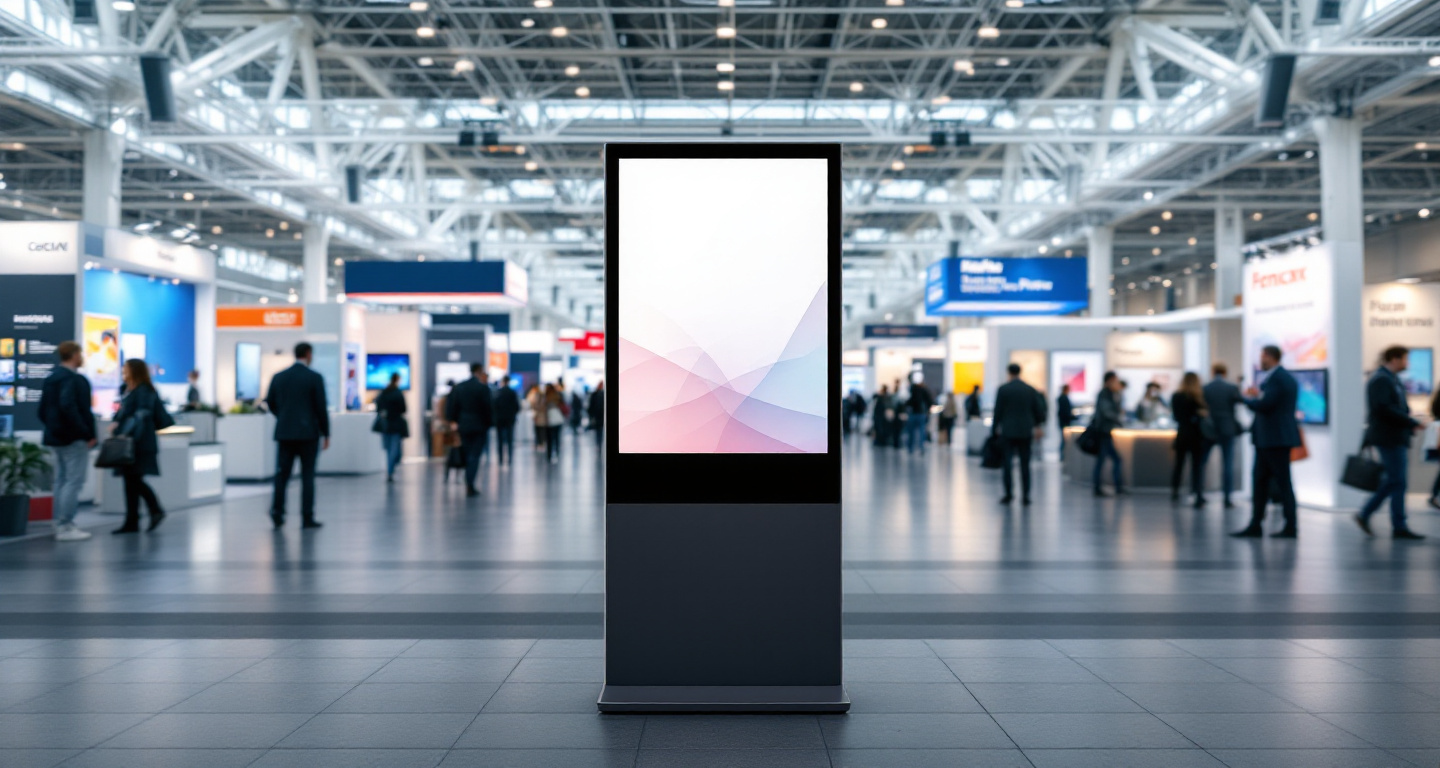
Interactive display and kiosk rentals typically include a touch-enabled screen, a stand or enclosure, and the cabling or computing needed to run content. Configurations range from freestanding floor units and wall-mounted panels to tabletop tablets and enclosed kiosks. The category spans a wide size range, from small handheld-scale screens to large-format panels intended to be seen across a room or trade show floor.
Rentals are generally arranged for a fixed window, such as a single event day, a multi-day show, or a seasonal installation. A supplier may provide the hardware alone or bundle delivery, setup, on-site support, and removal. Understanding which elements are included, and which are billed separately, helps a planner compare offerings on consistent terms rather than on headline hardware specifications. Wikipedia collects useful background on the broader category of self-service and interactive kiosks.
Matching hardware to your use case
The right configuration depends on how visitors will interact with the unit and where it sits. A wayfinding or check-in kiosk in a lobby has different needs from a product showcase at a booth or a survey station in a hallway. Considerations include screen size, viewing distance, whether the unit stands on the floor or rests on a surface, and how many people may use it at once during busy periods.
Environment also shapes the choice. Indoor settings, outdoor placements, and high-traffic public areas each carry different requirements for brightness, durability, and enclosure type. Defining the physical space, expected audience volume, and the task the screen performs allows a planner to describe needs clearly, which tends to produce more relevant and comparable quotes from any prospective supplier. A topical reference on touch screen rental formats and configurations is maintained at https://sites.google.com/emeryeps.com/metroclick-authority-hub/touch-screen-rental.
Content, software, and connectivity needs
A display is only as useful as what runs on it. Some rentals arrive as a blank screen that connects to a laptop or media player the renter supplies, while others include a player loaded with content or a content management layer for updates. Clarifying who prepares the content, in what format, and how it is loaded helps avoid surprises when a unit is delivered shortly before an event begins. Institutional signage programs maintain practical content and accessibility guidelines that translate well to short-term displays; the University of Iowa publishes one example in its campus signage content and accessibility guidelines.
Connectivity is a related planning item. Interactive applications, live data, or web-based content may require reliable internet access, and venue networks vary in availability and stability. Discussing bandwidth, whether a wired or wireless connection is expected, and any offline fallback ahead of time reduces the risk of a screen that functions in a workshop but struggles in the actual venue.
Logistics, setup, and on-site support
Short-term installations involve a logistics chain that is easy to underestimate. Delivery windows, loading dock access, elevator dimensions, and the time available for setup and teardown all affect what is feasible. Larger panels and enclosures can be heavy and may require more than one person or specialized handling, so confirming who performs installation and removal is a practical early question.
On-site support is worth scoping explicitly. Some arrangements include a technician present for the duration, others offer remote assistance only, and some leave operation entirely to the renter. Knowing the support model, the response expectation if something stops working, and any contingency for hardware failure helps a planner assess how much internal staffing or technical familiarity the event will require.
Questions to ask before booking
A short list of questions can surface most gaps before a commitment is made. Useful items include what exactly is included in a quoted figure, what deposit or insurance terms apply, how cancellations and date changes are handled, and what condition the hardware must be returned in. Asking about lead time also matters, since availability for specific sizes or quantities can tighten around busy event seasons.
It is reasonable to request details on testing and contingency as well. Knowing whether the unit is configured and tested before delivery, whether a spare or replacement is available if something fails, and who to contact during the rental period gives a planner a clearer picture of risk. Treating these as standard questions, rather than afterthoughts, supports a smoother short-term deployment regardless of which supplier is chosen.